
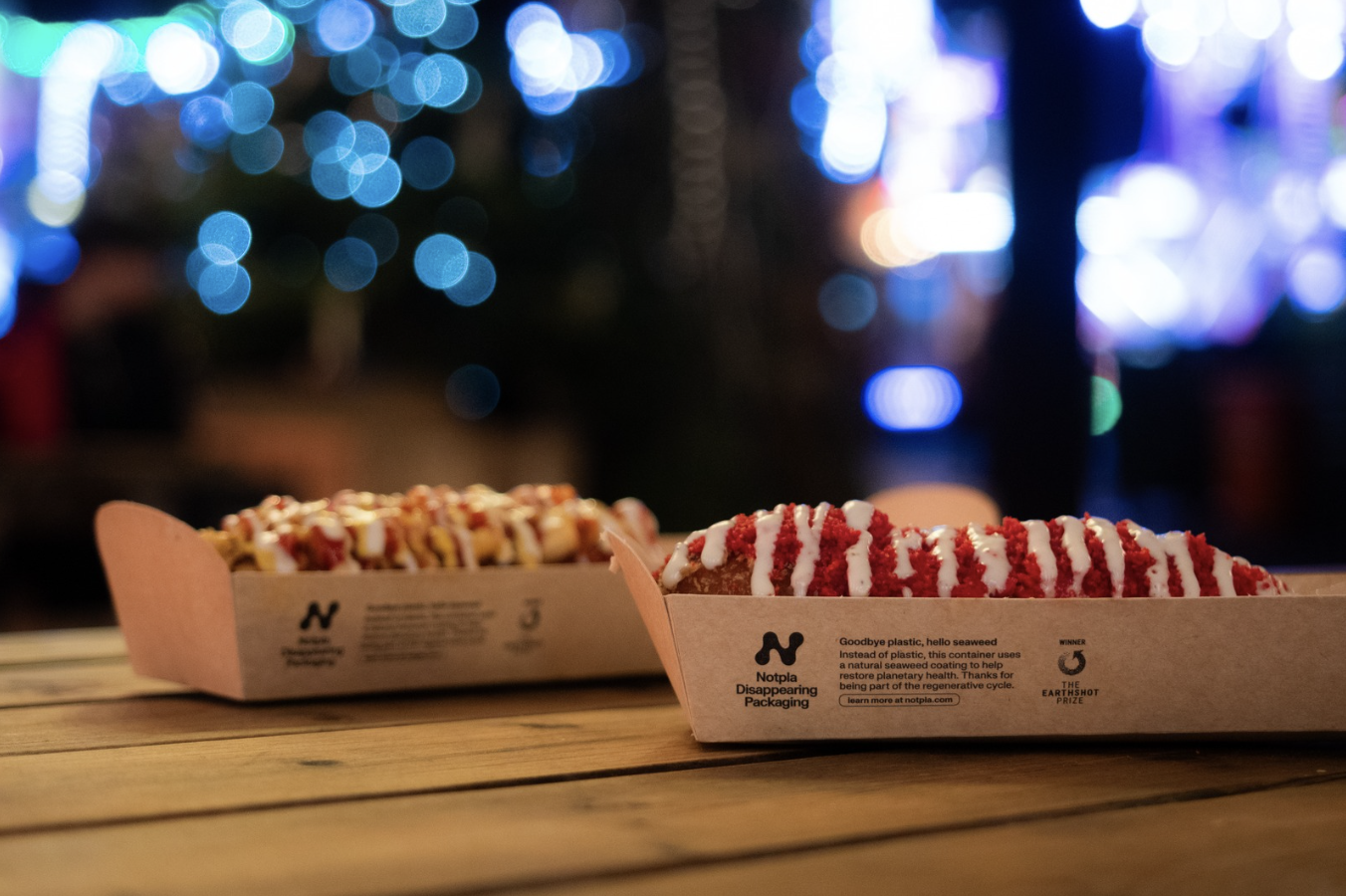
At events like Winter Wonderland, sustainability isn’t a side conversation, it’s a live, operational challenge playing out across hundreds of thousands of food and drink moments.
For Peppermint, a food and beverage supplier operating concessions, bars and street food markets across the UK, the question isn’t whether to act, it’s how to make changes that genuinely work at scale.
With over five years’ experience delivering food and drink at major events, including running multiple street food markets, bars and even a fondue restaurant, Peppermint knows first-hand how small operational decisions can add up to a big environmental impact.
We interviewed Anna, one of Peppermints Food Project Managers.
Can you introduce yourself, your role at Peppermint, and how long you’ve been involved with Winter Wonderland?
My name’s Anna and I’m a Food Project Manager for Peppermint. I joined the food team in August. Peppermint has been involved with Winter Wonderland for over five years now.
Who are Peppermint, and what do you do as a business?
Peppermint is a food and beverage supplier, working across concessions and bars at events, festivals, venues and stadiums around the UK.
What does Peppermint deliver at Winter Wonderland specifically?
At Winter Wonderland, we run three street food markets, three bars and a fondue restaurant.
Why was it important to introduce more sustainable packaging at an event of this scale?
As a company, we’re really trying to be at the forefront of sustainability and do as much as we can across every area. We realised that packaging is such a big opportunity for improvement. Even one change can make a big difference.
Once you start learning about more sustainable routes, you begin to understand the impact you can make just by making a better choice.
What led you to explore Notpla as a packaging solution?
I was introduced to Notpla quite quickly after joining. We had a kickoff meeting, then I attended a workshop at your headquarters and did a lab tour. It was really interesting seeing how the material works, what it’s made from, and the statistics around the improvements it can make.
We also tested it at the Royal Parks Half Marathon and saw how well it performed there, which gave us a lot of confidence.
How have traders responded to the change in packaging?
It’s been a learning process. Traders hear that Notpla is being mandated and naturally ask why, what effect it’s having, and what difference it really makes.
That curiosity has been positive. They go away, research it, read about it, and then start to understand the impact they’re making themselves.
Do you see Notpla becoming the standard for Peppermint events going forward?
I would really like Notpla to be the standard going forward. That said, it does take time to introduce. Events are quite specific, and what works for one trader or menu might not work for another straight away. But overall, it’s definitely the direction we want to move in.
How do you see sustainability in street food evolving more broadly?
Sustainability in street food is a huge topic of conversation right now. We’re seeing changes beyond packaging too, things like streamlining suppliers, using more local traders, and reducing how much staff need to travel.
There’s also a lot more consideration around ingredients. Traders are doing more research ahead of events to make sure products are fair trade or, for example, that fish is MSC-rated. All of these smaller decisions really add up.
If Notpla were to focus on one innovation next, what would you like to see?
Round shapes would be a big one. A lot of traders use round containers regardless of what they’re serving, so having more options there would be great.
From the bar side, cups for drinks would be incredible too. Any further innovation in that direction would be really exciting.
Peppermint’s work at Winter Wonderland shows what’s possible when sustainability is treated as a system, not a single decision.
By combining practical testing, trader education, and scalable materials designed for real-world disposal, they’re helping to set a new standard for how events can operate responsibly, without compromising on experience.
And as more suppliers, traders and organisers follow suit, those small changes really do start to add up.
.jpg) The end of plastic versus paper: Why natural materials belong in modern manufacturing
The end of plastic versus paper: Why natural materials belong in modern manufacturing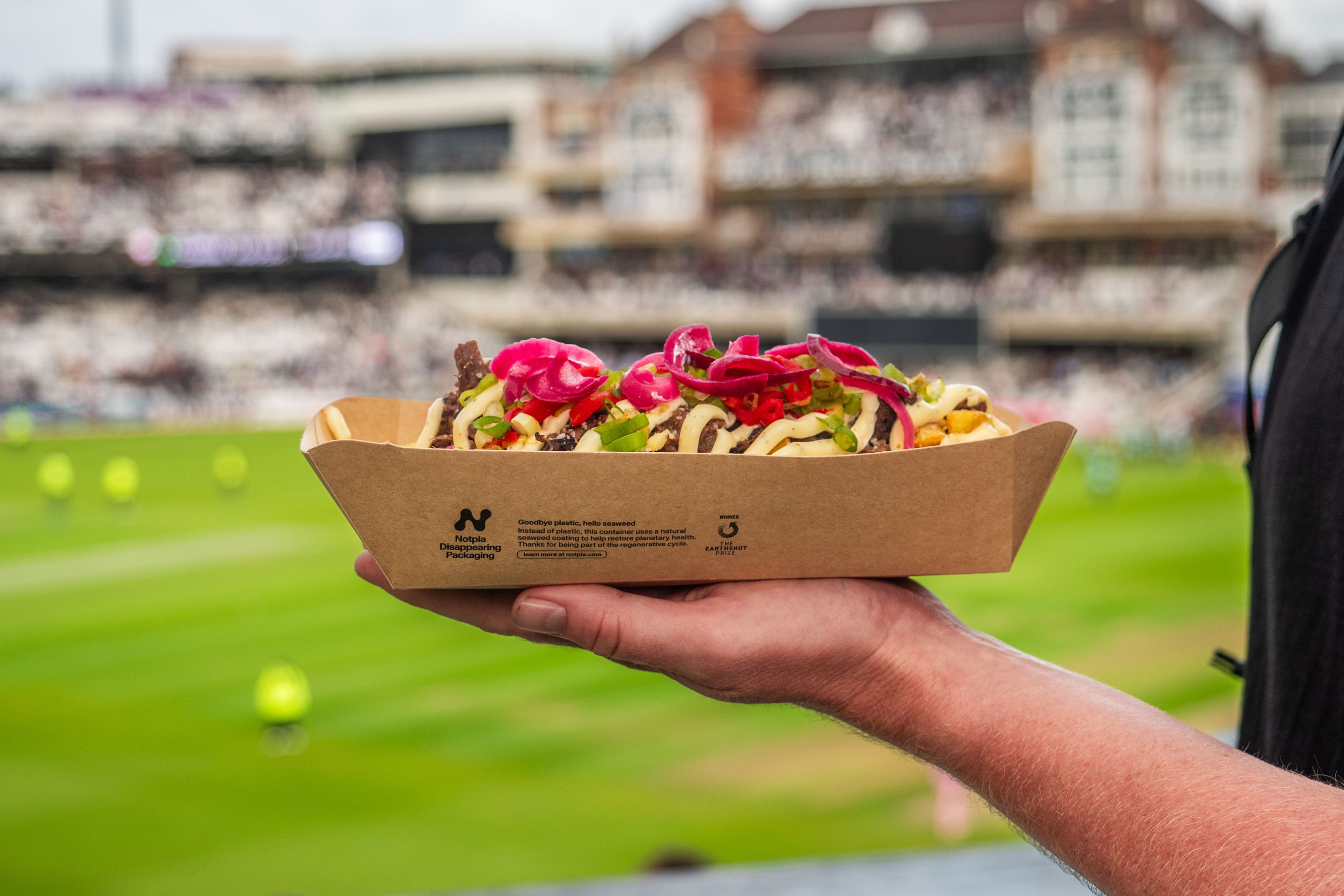 Notpla Stadium Range: building sustainable packaging into the big-game experience, at scale with Levy.
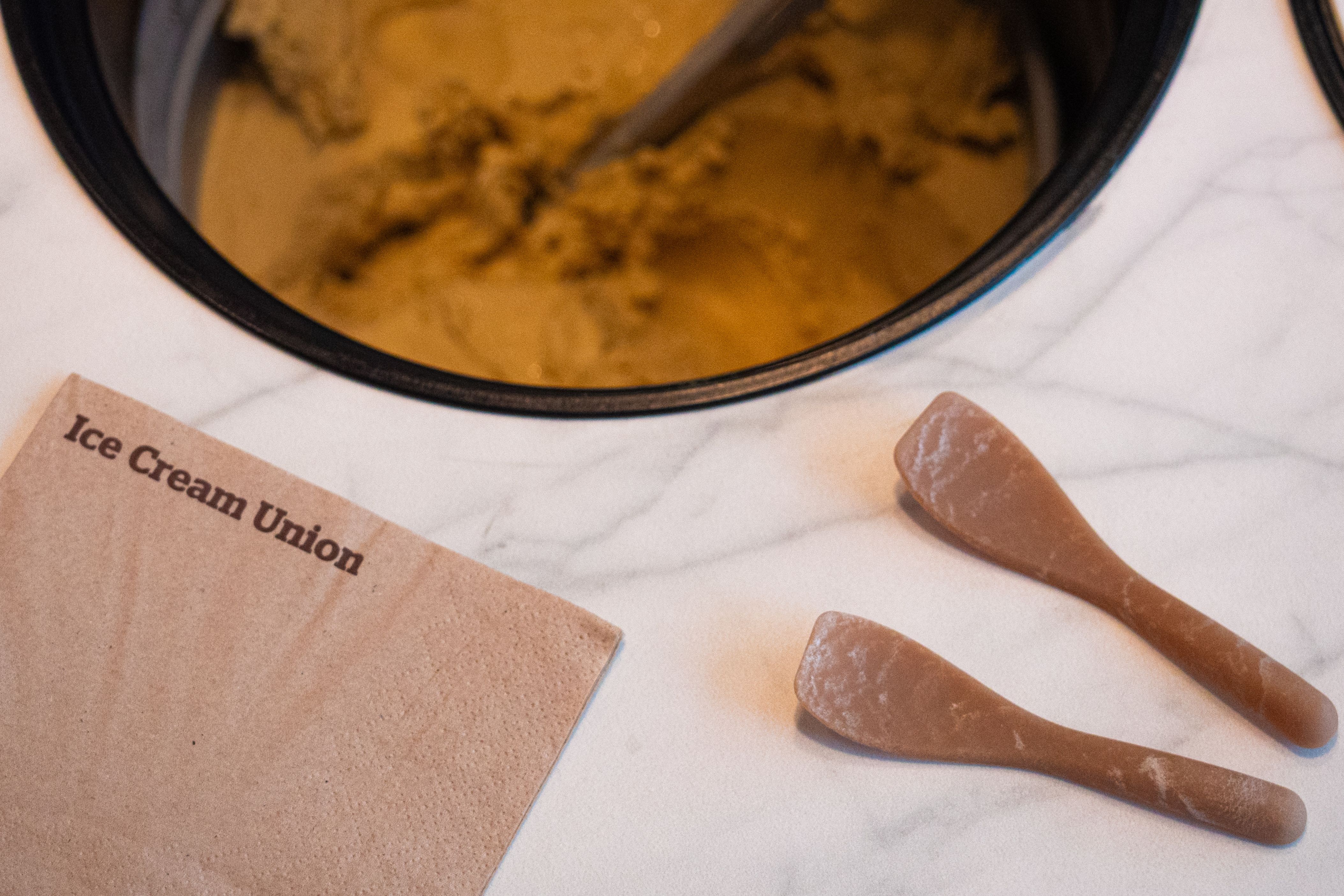 Why premium ice cream brands are switching to plastic-free spoons: Lessons from Ice Cream Union