
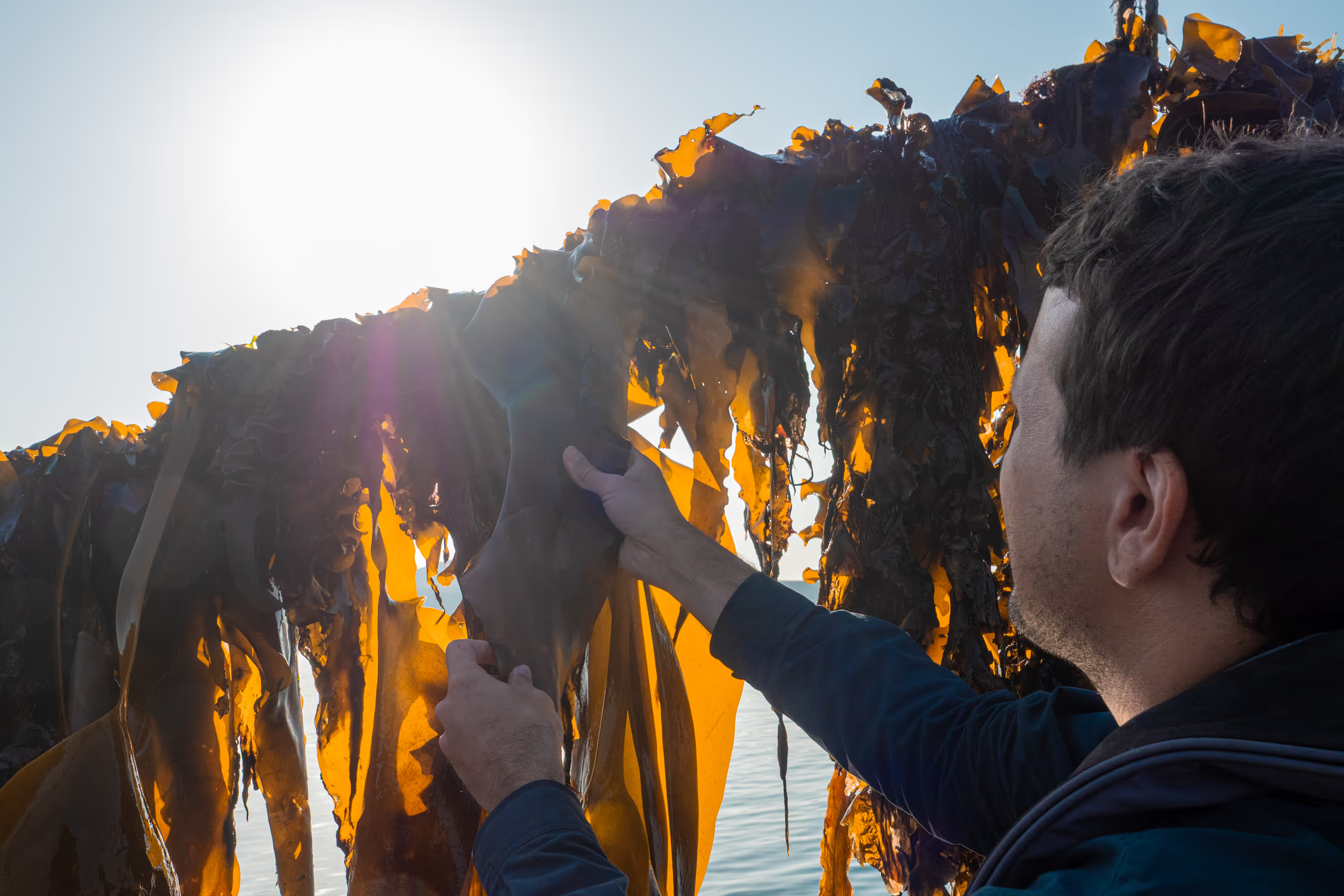
When we think of “seaweed,” we usually picture the long ribbons of kelp swaying under the waves. But seaweed is just one part of a much bigger family: algae. Understanding the difference between the two gives us a new appreciation for the extraordinary diversity of life in our oceans and why it matters for the future of sustainable materials.
Algae is a catch-all term for photosynthetic organisms that live in water. They range from tiny, single-celled species only visible under a microscope, to giant multicellular organisms. Seaweed sits within this spectrum, but not all algae are seaweed.
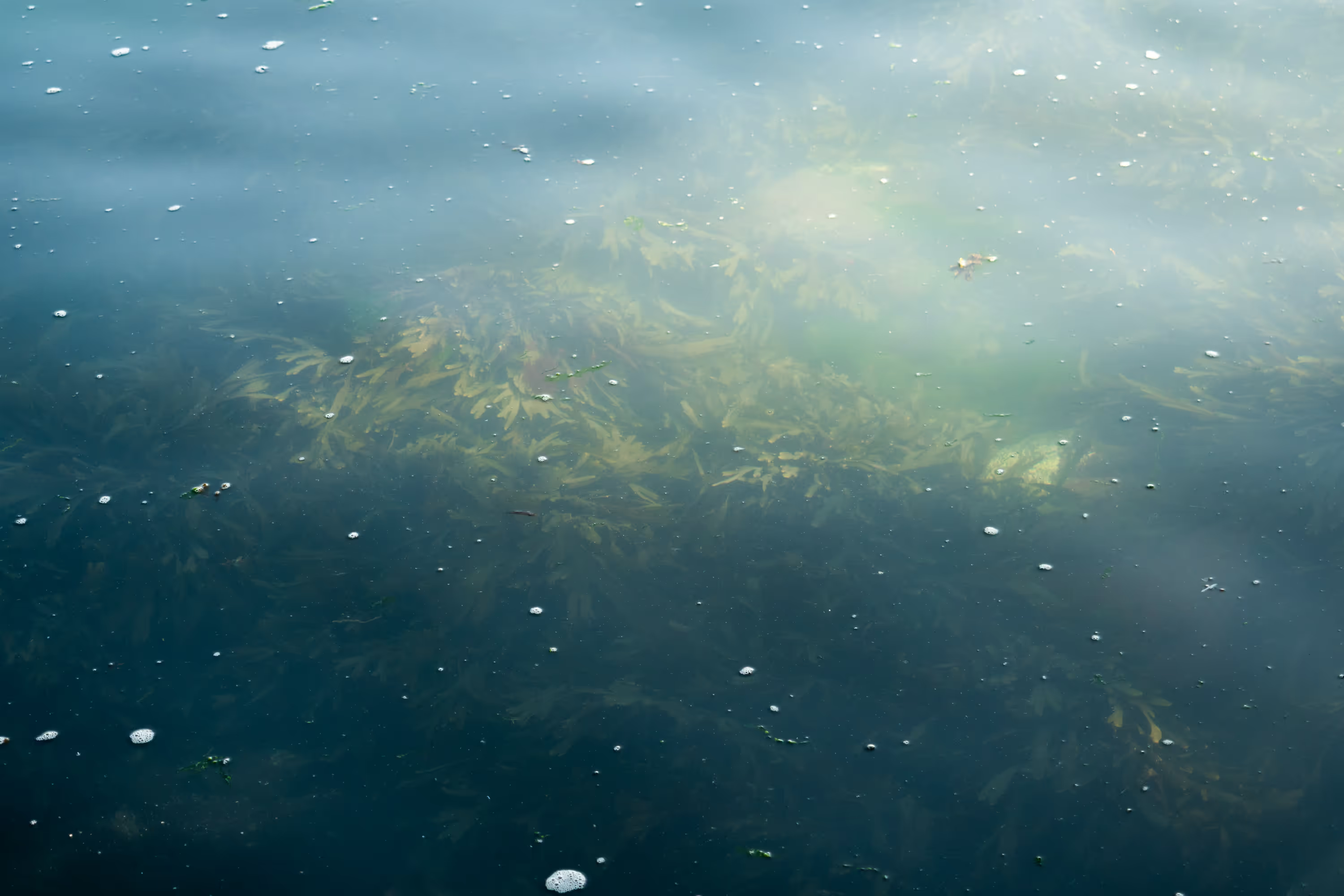
Seaweed refers specifically to large, multicellular algae. These are the kelps, wracks, and other species you can see with the naked eye, some of which grow tens of meters long. Humans have identified and classified over 12,000 species of seaweed, though scientists believe many more are yet to be discovered.
So the rule of thumb is simple: all seaweeds are algae, but not all algae are seaweeds.
Seaweeds are traditionally grouped into three categories based on pigmentation: brown, red, and green. All of them photosynthesise, but their different pigments give them their characteristic colours and allow them to thrive in different ocean conditions.
This is more than a cosmetic distinction. Genetically, red, green, and brown seaweeds are remarkably distant from one another. As Vincent Doumeizel has pointed out, the genetic difference between a red and a brown seaweed is greater than the difference between a bear and a mushroom. That’s because these lineages diverged over a billion years ago - green algae, in fact, being the ancestors of all land plants.

The sheer diversity of seaweed is staggering. In the cold, rough waters off South America you find Lessonia, tough and wood-like, evolved to withstand relentless waves. In tropical seas, you encounter Eucheuma species, soft and jelly-like, adapted to gentle waters. Both are seaweeds, yet their forms and chemistries are worlds apart.
This genetic and ecological diversity translates directly into biochemical diversity. For us at Notpla, that means a vast toolbox of natural molecules we can use to create sustainable packaging. If we need rigidity - like for our ice cream spoons - we turn to one type of seaweed. If we need seal strength and flexibility, we turn to another.
Seaweed isn’t just “ocean salad”, it’s an entire world of possibilities. Each species carries unique properties shaped by millions of years of evolution, and together they form one of nature’s richest libraries of materials.
.jpg) The end of plastic versus paper: Why natural materials belong in modern manufacturing
The end of plastic versus paper: Why natural materials belong in modern manufacturing Notpla Stadium Range: building sustainable packaging into the big-game experience, at scale with Levy.
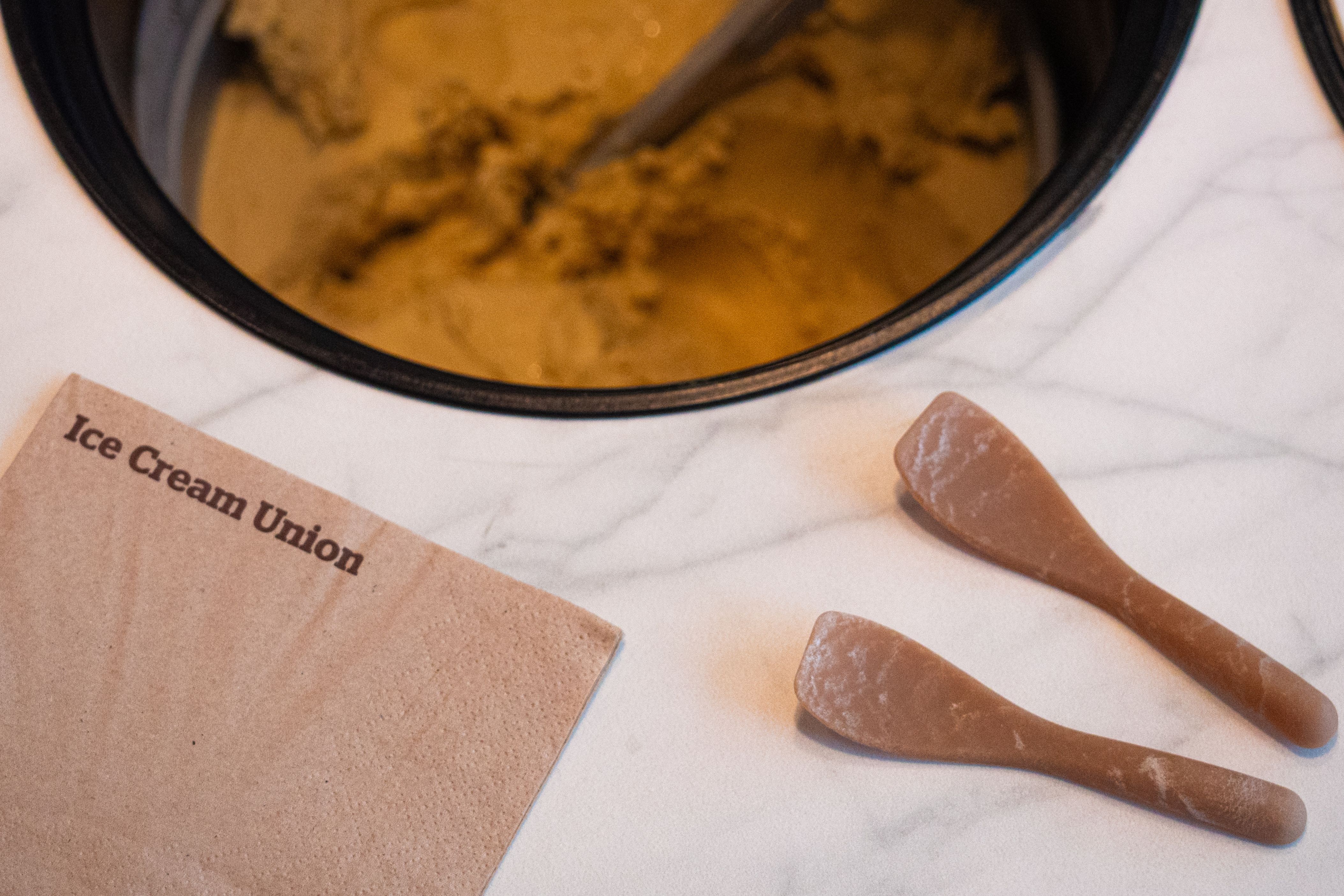 Why premium ice cream brands are switching to plastic-free spoons: Lessons from Ice Cream Union